2027 Oregon Legislative Priorities Preview
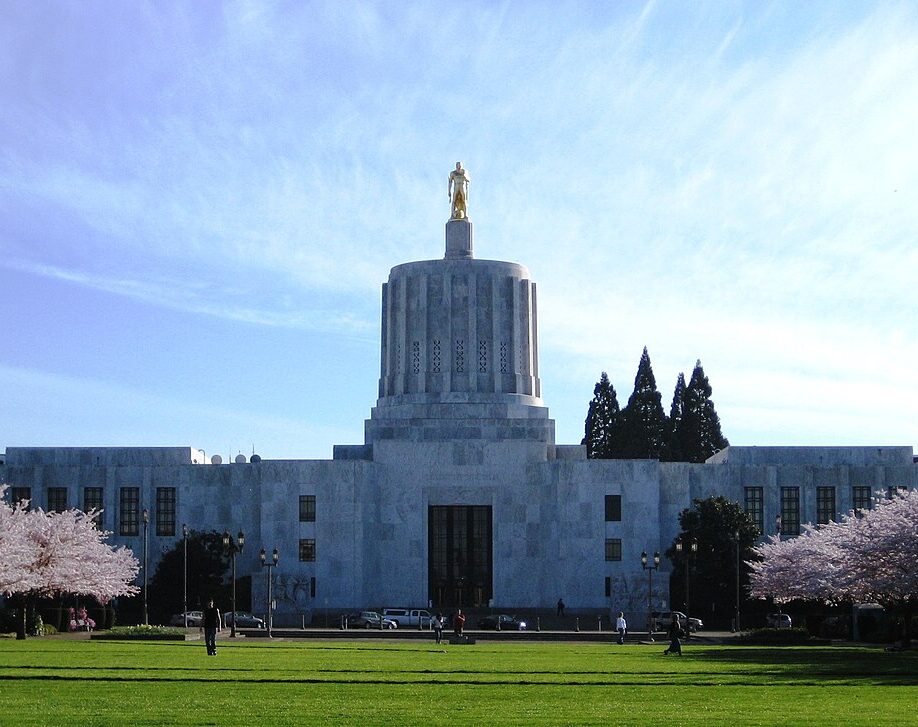
Oregon lawmakers met in Salem September 8-10 for Legislative Committee Days. These meetings are an important window into what the Legislature’s priorities might be coming into the 2027 long session. S360’s Oregon team summarizes the big picture and offers specific insights on some key priorities that they are following for clients.
Wildfire
The most consequential conversations were those about wildfires. The action and decisions were with the Emergency Board rather than any policy committees. The Board approved 42 items totaling $139.6 million in General Fund support, led by $108 million to the Oregon Department of Forestry and $15 million to the Department of the State Fire Marshal. Wildfire costs are expected to reach $350 million by season’s end, putting 2026 on track to surpass the state’s previous $318 million record, and ODF will also borrow $150 million from the Oregon State Treasury through three loans over the next three months to maintain solvency.
Data Centers
Data centers dominated the policy conversation. At a Capitol rally on opening day, Governor Kotek announced she supported a statewide moratorium on new data center construction. She also ordered agencies to pause unapproved state-land requests for data centers, a pause that would last until July 1, 2027, while maintaining that the state “currently lacks authority to enact a statewide moratorium on data center development.” As elections loom, her opponent Christine Drazan told KATU News she supports an immediate statewide moratorium and believes Kotek has the authority to impose one.
The House Climate Committee’s hearing on the topic was framed by Chair Mark Gamba as “information gathering” rather than “political.” The committee heard from large tech organizations that emphasized their investments in rural communities while lawmakers fact checked a report that noted data centers will receive at least $450 million in tax breaks for the year. The Legislative Revenue Office responded saying that it is doing its own due diligence to produce numbers, and that the preliminary review finds the $450 million estimate is close to what they have calculated so far.
Transportation
Transportation funding was also a topic during Committee Days, but the focus was on frameworks and updates. The real fight over which revenue tools to adopt will come with the November–December recommendations and the 2027 session.
The House Interim Committee on Transportation held a hearing they discussed the blight of abandoned RVs, traffic worker safety and fatalities, autonomous vehicles, and received an update from the transportation leaders.
The Governor’s Transportation Vision Workgroup presented to the Committee highlighting:
- The gas tax does not keep pace with inflation.
- Road usage charges for EVs and hybrids start July 1, 2027, and will be phased in. This is currently the only revenue source on track to grow as costs rise.
- The 2027 Legislative Session will mark the 10 year anniversary since the last major transportation package.
- Safety metrics show more fatalities, injuries, and accidents in Oregon.
This Workgroup has been meeting since May, with 6 subgroups and over 100 people involved. The subgroups include Maintenance, Operations, Preservation and Emergency Response, Safety and Livability, Transit and Passenger Rail, Freight, Major Projects, and Funding and Finance. At the time of this update, these subcommittees have made their recommendations to the full Workgroup, and now the debating and fine tuning has begun.
Other Actions of Note
Other Emergency Board actions include approving $7.5 million to address a projected shortfall at Southern Oregon University and hearing an update from the Oregon Public Defense Commission. After that hearing, the OPDC and Governor Kotek announced that unrepresented individuals have dropped 66% over the last 12 months.
The overall takeaway from Oregon’s Legislative Committee Days is that the interim was used to cover urgent costs while previewing 2027 fights. Data centers were clearly the rising election-year issue and will be a focus in the coming session. However, we will see large debates, actions, and a considerable amount of energy surrounding the next transportation package.